By Justina Ayobami Omotosho
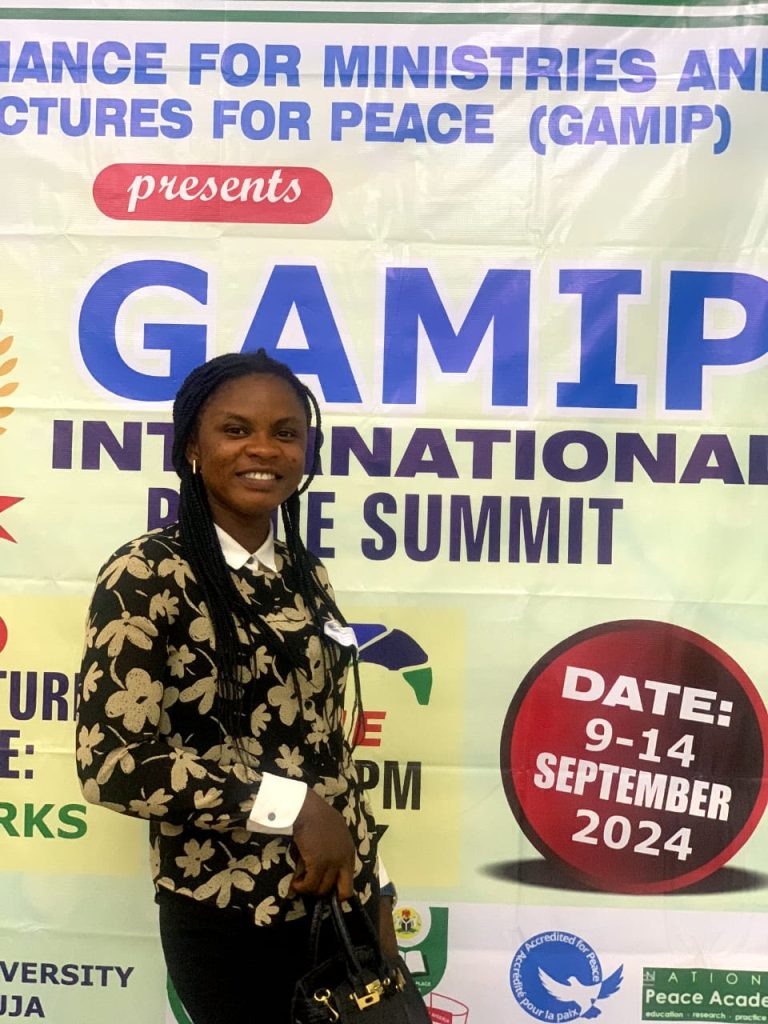
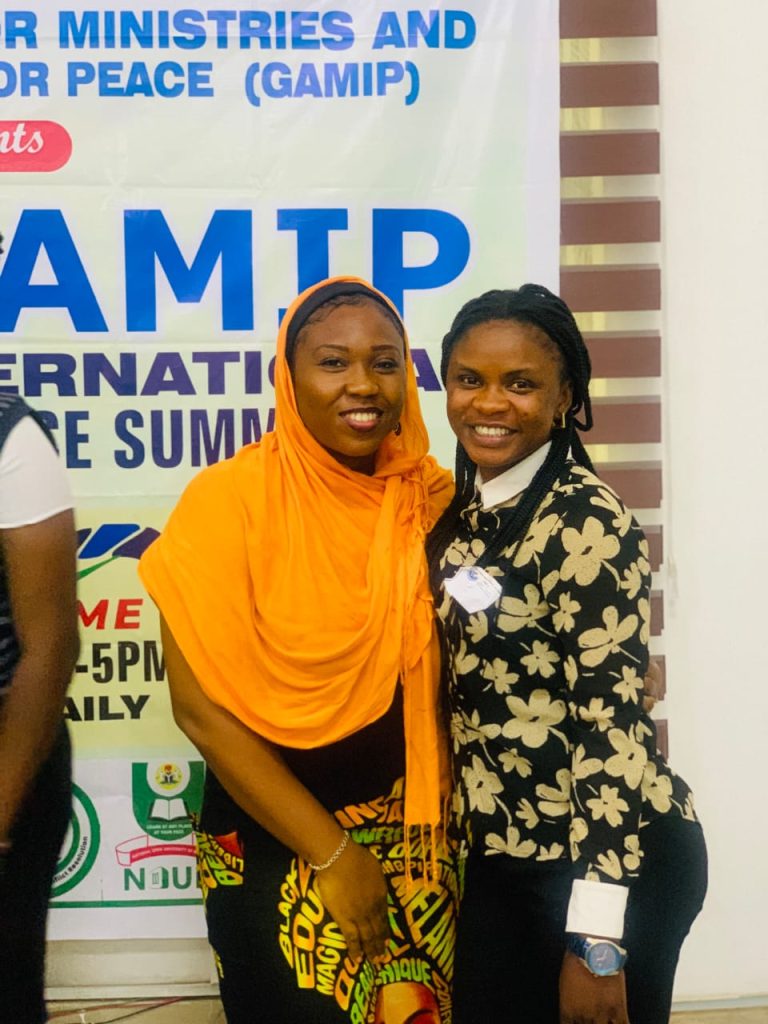
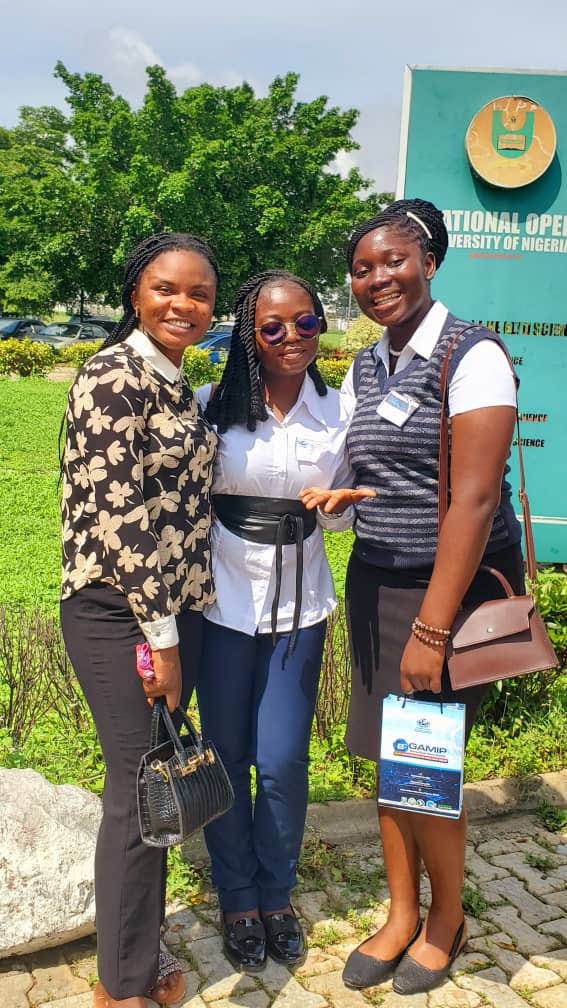
To say that I was wowed at the 8th International Peace Summit of Global Alliance for Ministries and Infrastructure for Peace (GAMIP) held recently at the National Open University Headquarters in Jabi, Abuja, Nigeria is an understatement.
I was blown off my feet and no doubt will continue reeling from the knowledge, exposure and network the 8th GAMIT Summit afforded me, and by extension my others colleagues.
For this and many more opportunities the summit afforded us, I, on behalf of my colleagues, sincerely thank our HOD, Peace and Conflict studies Federal University, Oye-Ekiti who also doubles as GAMIP President, Nigeria and host of the summit, Prince Ose Irene PhD for the privilege.
It was a full week of discussions on peaceful coexistence and security at the 8th GAMIT Summit and sincerely I am of the opinion that apart from further highlighting the central position peaceful coexistence and security holds in national and international development the summit succeeded in enhancing collaborative relationships with stakeholders to amplify peacebuilding efforts.
With the topic, “Infrastructure for Peace: What Works,” the summit which had a rich blend of professionals, stakeholders and eager students to rub minds on the culture of peace, was an opportunity for participants to explore the development, roles, and application of infrastructures for peace with a view to what works in the attainment of sustainable peace.
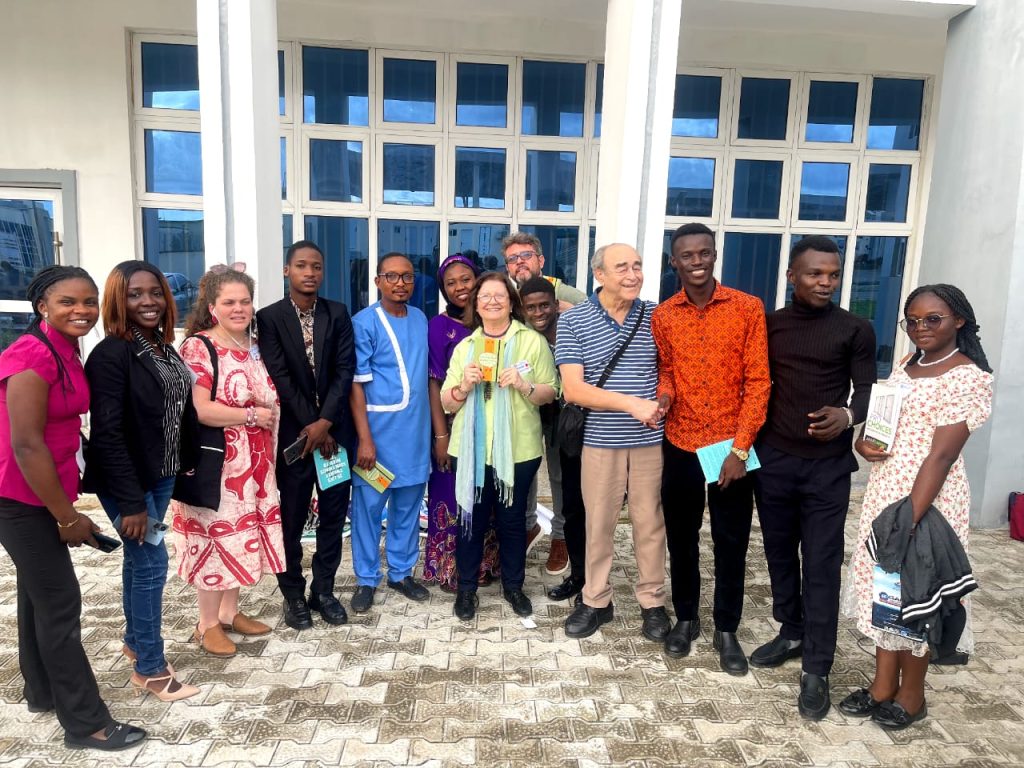
Foreign speakers like Professor Diana de la Rua Eugenio (Argentina), Presidente, International Peace Research Association Foundation (USA); Ornela Uberti (Ecuador), experience in the Colombian armed conflict context; Prof. Roberto Emmanuele Mercadillo, Caballero (Mexico) – GAMIP ALC and Alberto Portugheis (Argentina). President, Humanity United For Universal Demilitarization (HUFUD) among many others willingly shared their knowledge at the summit.
A plethora of other facilitators also presented virtually with all focusing on achieving sustainable, lasting peace in Nigeria and indeed the world.
The summit which explored various strategies for managing conflict and achieving sustainable, lasting peace had speakers, comprising experts from foreign countries and Africa, delivered exceptional presentations on the theme of the 8th International Peace Summit. They emphasized the importance of incorporating peace education into institutional curricula, as well as primary and secondary school curricula.
No doubt, the summit provided a platform for dialogue and collaboration on conflict resolution, peace promotion, and sustainable development.

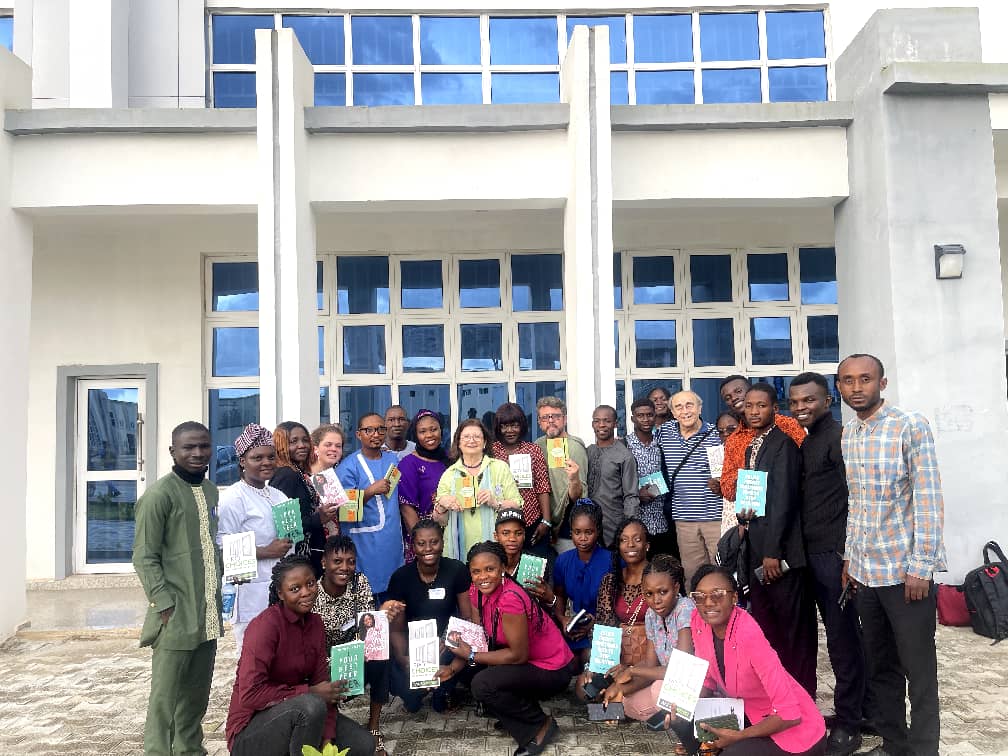
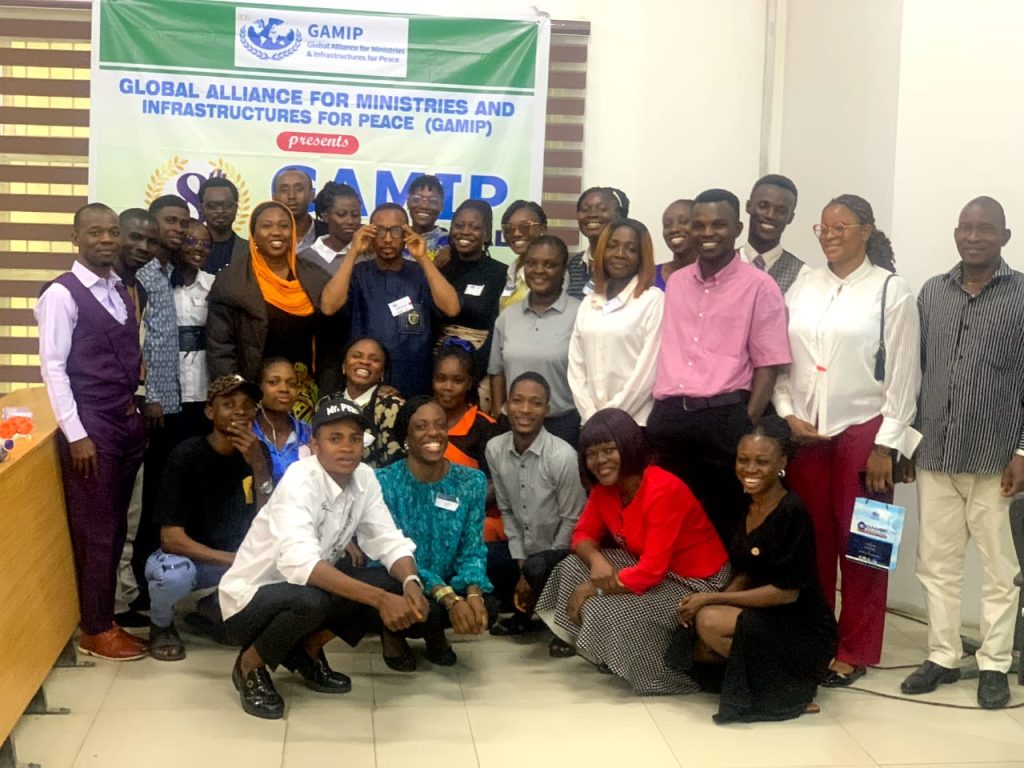
Professor Diana de la Rua Eugenio who spoke on community mediation and facilitation, stressed the importance of understanding conflict and parties, effective communication skills, and the importance of the 3 C’s: CONSIDERATION, COMPREHENSION, AND CARE. These 3 C’s, according to her enable building and strengthening societies, generating an inclusive social model that benefits all.
On her part, Winner Ogogo emphasized the critical role of youth participation in peacebuilding, bringing energy, fresh ideas, innovation, and a willingness to challenge traditional norms and practices that perpetuate conflict.
My course mate, Risikat Ambali, a fashion designer, presented, “The Appraisal of Fashion Art as Peace Infrastructure.”
According to her, fashion can promote peace through elements like color, basic items, youth empowerment, and social media platforms. She added that peace fostered through fashion will be long-lasting and that individuals with expertise in peacebuilding and fashion skills should be recognized and supported by policymakers.
However, one thing that still stares us in the face is the fact that the government plays a vital role in maintaining peace in the society and so empowering youth and allocating sufficient funds to prioritize education in public schools, ensuring conducive learning environments, are essential tools in managing conflicts and ensuring a peaceful society.
According to UNICEF (2022), Nigeria has one of the highest school dropout rates worldwide, with over 13 million children out of school, contributing to violence and conflict in the larger society.
As Ronald Reagan aptly defined, “Peace is not only the absence of conflict but the ability to handle conflict by peaceful means.” Peace is a creative transformation of negativity into positivity.
I am strongly of the opinion that the summit reaffirmed that sustainable peace is possible in our society and at all levels and it is on that note I encourage everyone to dream of peace, make peace, and pursue peace.